
Deanne Bell
Geopolitical and historical context
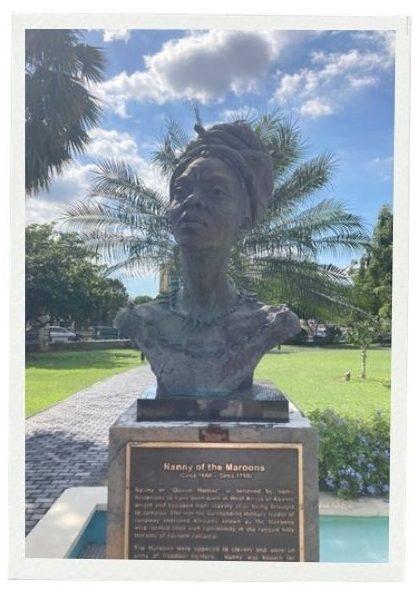
Jamaica’s history is marked by centuries of colonial domination and resistance. Claimed by Spain in 1494 and later seized by Britain in 1655, the island became a plantation colony fueled by the transatlantic slave trade. Over a million enslaved Africans were forced to labor under brutal conditions, generating immense wealth for colonial powers. Uprisings, such as Tacky's Revolt (1760) and the Baptist War (1831), played a critical role in the abolition of slavery in 1834 and full emancipation in 1838.
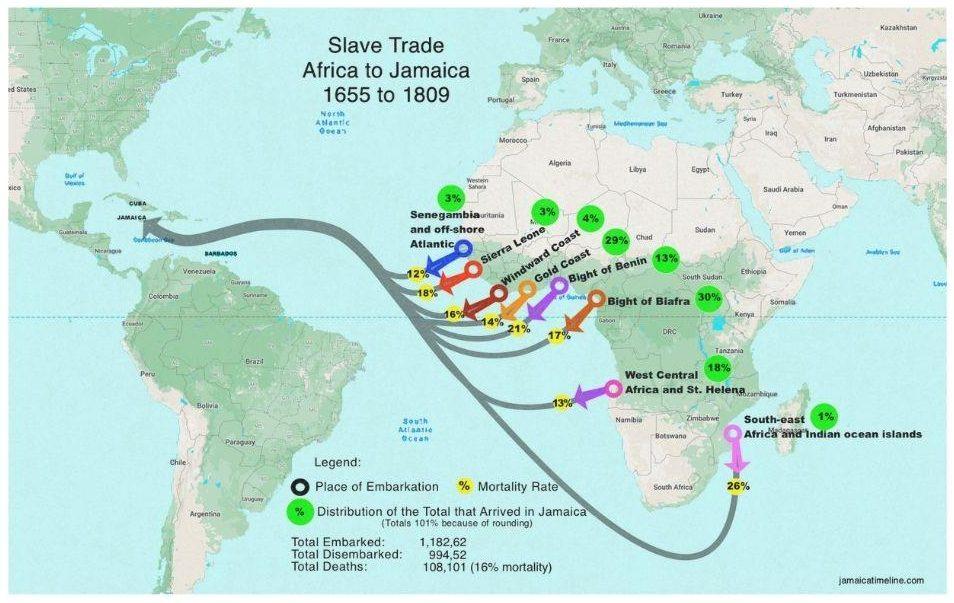
However, even after emancipation, racial hierarchies and the plantation economy persisted, maintaining inequality and privileging a small elite.
The effects of colonialism remain deeply embedded in Jamaican society.
Economic inequality and racial stratification, with lighter-skinned elites disproportionately holding power, reflect colonial legacies. Gender relations were also shaped by colonial patriarchy, which introduced norms that marginalized women and racialized ideas of femininity and masculinity. Jamaica has also been a hub for decolonial thought and activism. Caribbean intellectual traditions continue to critique colonialism’s psychological and material impacts, advocating for liberation and the reclamation of African ways of knowing.
Deanne Bell’s family history is deeply tied to Jamaica’s political evolution.
Her father, a lawyer and minister in a 1970s democratic socialist government, and her grandfather, a founder of a leftist political party, shaped her understanding of social relations. Her scholarship and activism reflect Jamaica’s ongoing struggle to confront and transcend its colonial past.
Insights from the Interview
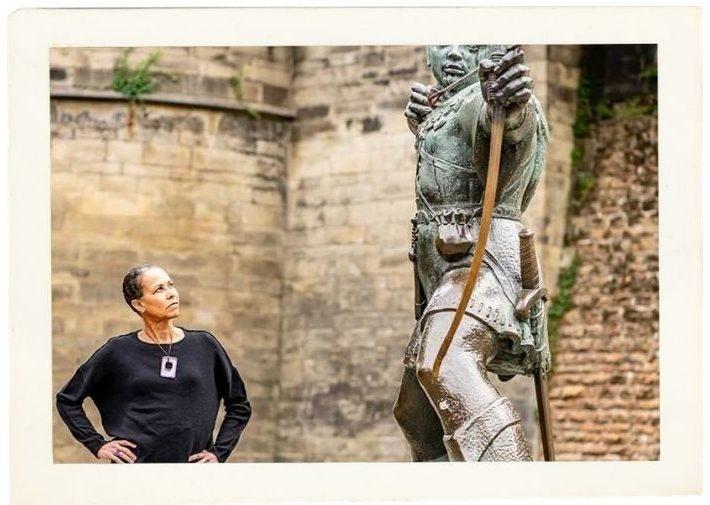
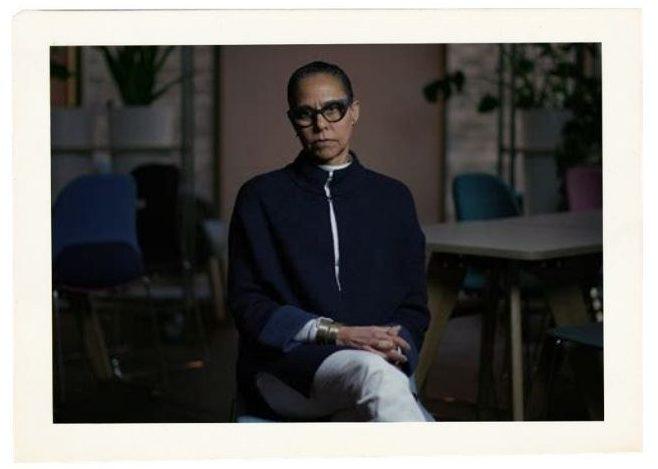
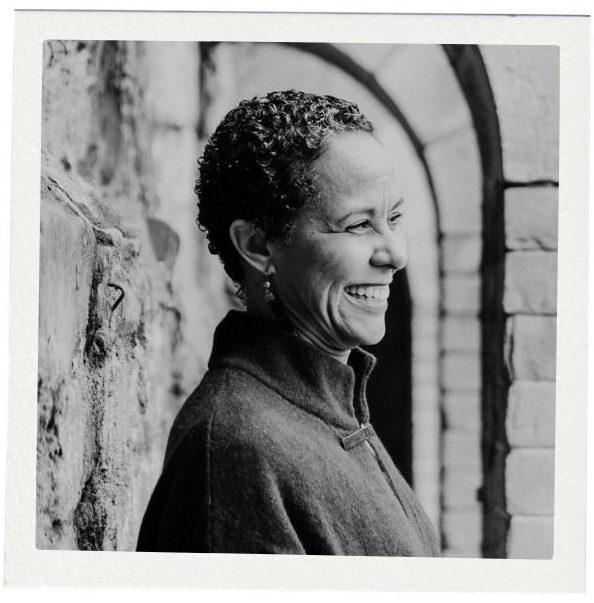
Deanne Bell is a Jamaican-born psychologist based in Birmingham, UK, whose work sits at the intersection of liberation psychology, critical theory, and anti-colonial thought from the Black Caribbean Archipelago.
When asked directly whether she identifies as a decolonial feminist psychologist, she resists the label, not because she rejects the commitments, but because she refuses to treat them as separate things: "I don't think of being a feminist or being concerned with things that affect women separately from the historic process of coloniality," she says.
For Bell, feminism, decoloniality, and psychology are not identities but tools for answering the animating question about the human. That question drives her theoretical work. Bell argues that psychology "needs resources that the Western concept of psychology does not contain," and draws on thinkers from the Caribbean to develop what she calls the coloniality of consciousness: the process through which people are blocked from connecting their lived suffering to the ideologies and structures producing it. Her method requires what she describes as a kind of prying: separating race, class, and gender from the human in order to see what these categories are actually doing to human beings.
Bell is equally precise about what feminist psychology should be for. She credits the field for recognizing that “there are conditions that woman experience that need to be understood and dealt with, and that there's a psychological implication to being a woman.”
But she insists that its purpose must be liberation, not simply description, noting: “I believe that it's women's liberation that is the raison d'être for feminist psychology... So, let's cut to the chase, and let's go for freedom."
On her journey to feminism
Deanne Bell: "I don't think I could answer your question and say that I think of myself as a decolonial feminist, I don't think I do. I think of somebody who uses psychology and I use philosophy and I use decolonial... I use these things as tools to try to answer questions. I don't think of them as being an identity per se."
On feminist psychology's purpose and its limits
"I believe that it's women's liberation that is the raison d'être for feminist psychology. And that's just because we live in a historic moment, long moment, where women have been unfree. So, let's cut to the chase, and let's go for freedom. Let's go for liberation."
On imagination and surrealism as psychopolitical resources
"When has freedom, when has liberation, when has emancipation come about, historically? It's actually when people have imagined it."
Credits
All images courtesy of interviewees.