
Lillian Comas-Díaz
Geopolitical and historical context
Latin American countries are usually colonially defined as those where so-called Romance languages, such as Spanish, Portuguese, and French, are predominantly spoken, and encompass South America, Central America, Mexico, and most of the islands in the Caribbean. While each is unique in its socioeconomic, political, and cultural context, these countries have commonalities due to their shared colonial histories. They were all colonized by European powers (i.e., Spain, Portugal, and France) beginning in the late 15th and early 16th centuries. In Latin America, the formal discipline of Psychology is dominated by approaches, methods, and concepts that were introduced from Europe and the United States by colonial settlers, religious evangelizers, and other immigrants.
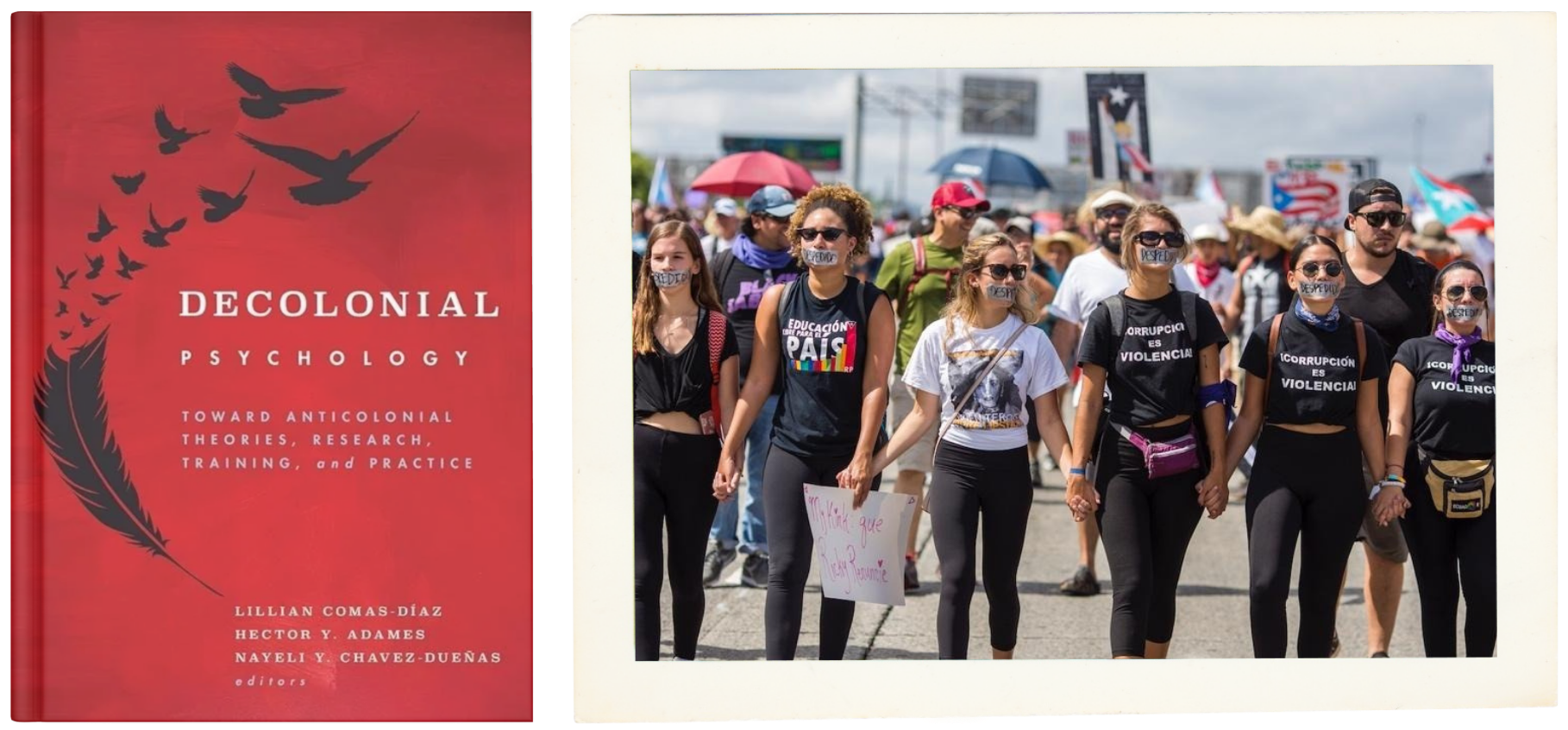
However, scholars across the region have increasingly called for the decolonization of psychology, informed by their own origins, colonial histories and theoretical perspectives. Liberation psychology, a term often associated with the work of Jesuit priest and social psychologist Ignacio Martín-Baró, forms part of the wider literature on decolonizing theory and practice. It refers to a cross-disciplinary movement that originated in Central and South America as a reaction to the social injustices in the region and driven by discontent with mainstream Psychology in the mid 1970s. Liberation psychology critiques mainstream Psychology as unable to speak to the experiences of those living under conditions of oppression, and aims to understand the psychology of the oppressed in relation to socio-political structures and historical context, as opposed to pathologizing individual distress.
Insights from Interview
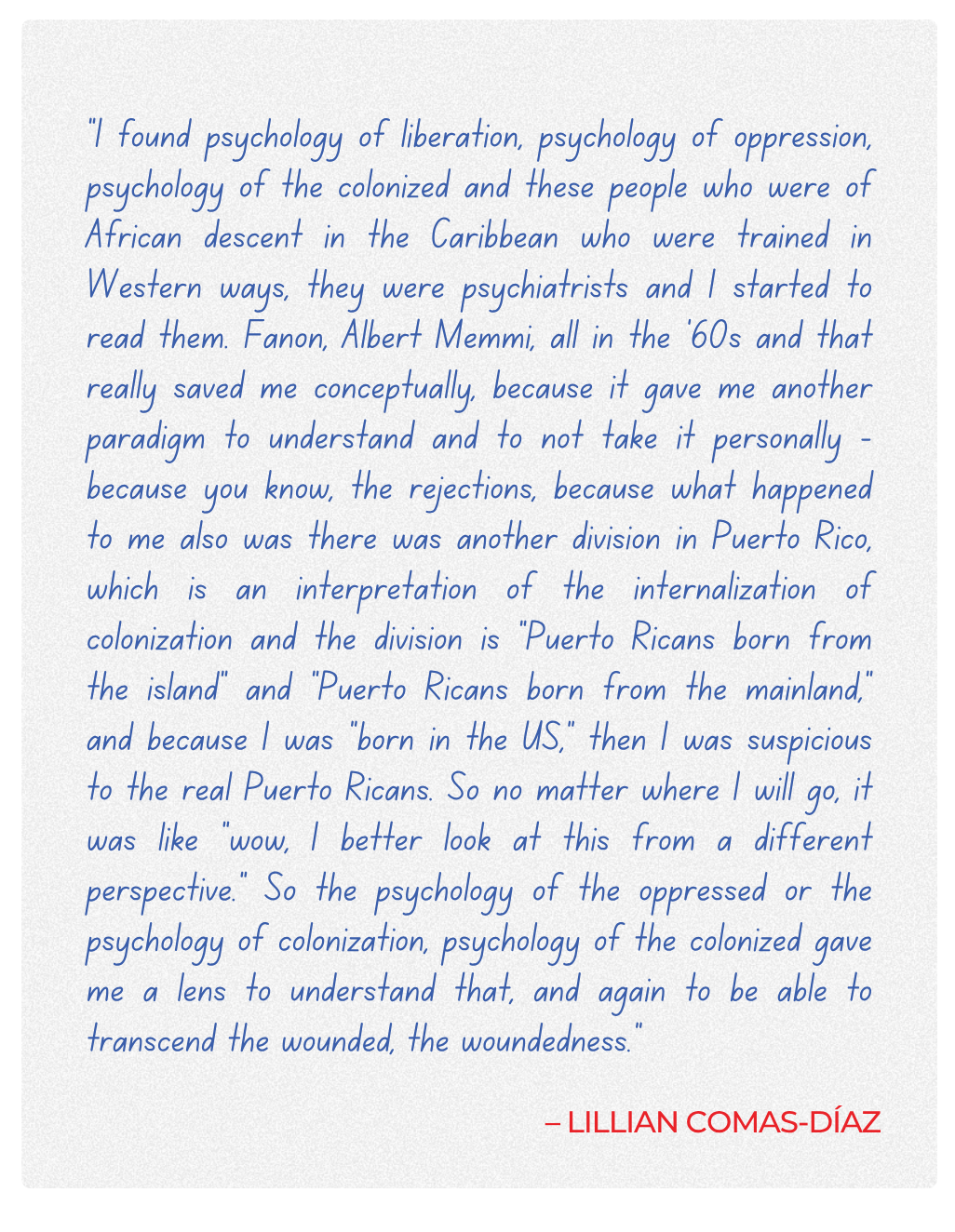
Lillian Comas-Díaz was born in Chicago, but moved to her parents' native Puerto Rico at an early age until her early twenties. She attended university in the mid-to late sixties, at the height of the independence movement. Puerto Rico became a U.S. territory in 1898 after the Spanish-American War. Although it exerts some level of self-rule, it has limited governmental representation in the U.S. government.
A ‘woman of intersections’, her work has been deeply rooted in her personal experiences, including that of being raised in Puerto Rico. Upon her return to the United States, during her graduate training in clinical psychology, she started to identify the limitations of mainstream Psychology in addressing the needs of underserved populations.
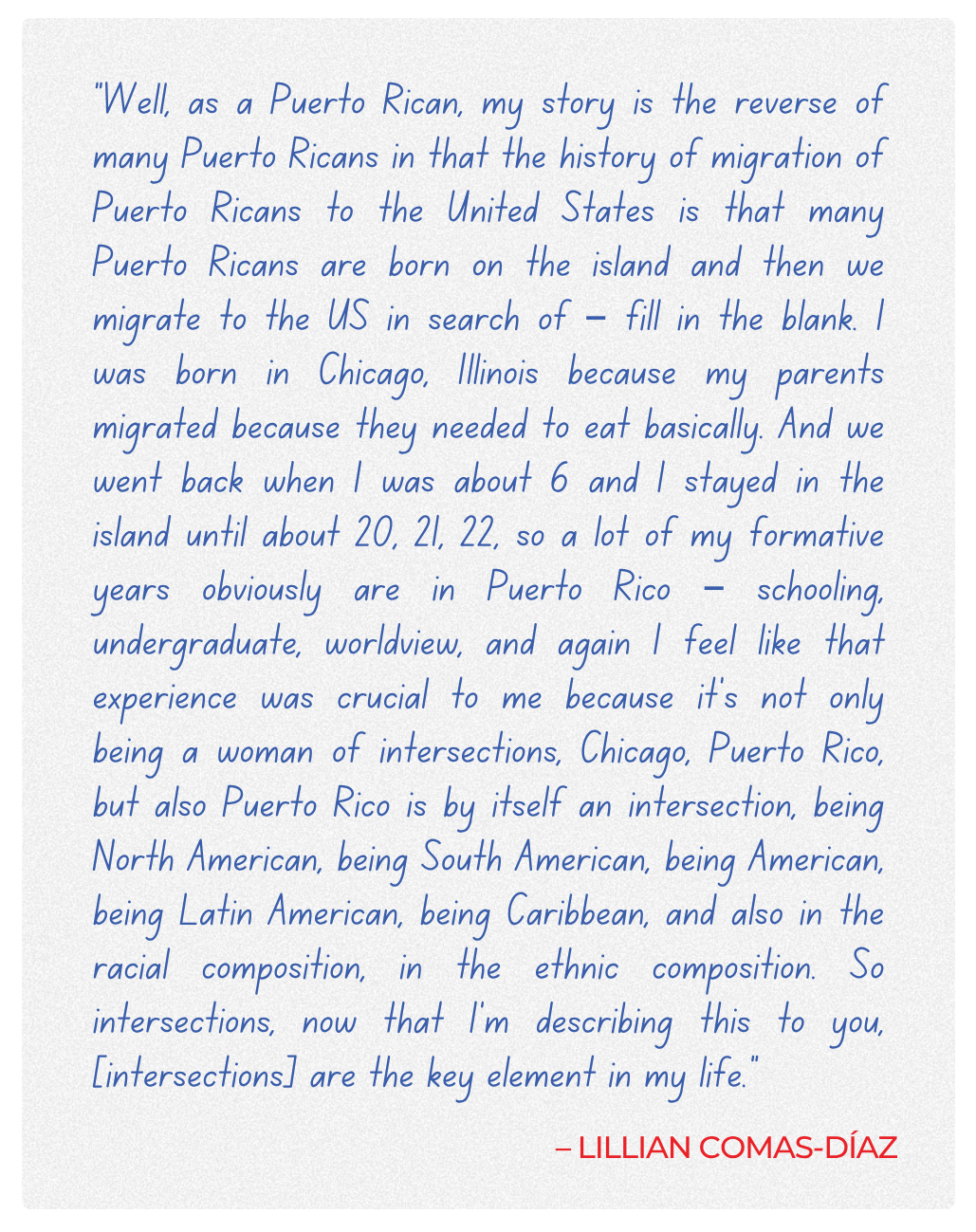
Comas-Díaz has also played a key role in the development of mujerista and womanist psychologies, focusing on the intersections of race, gender, class, and mental health to understand the experiences of Black and Latina women.
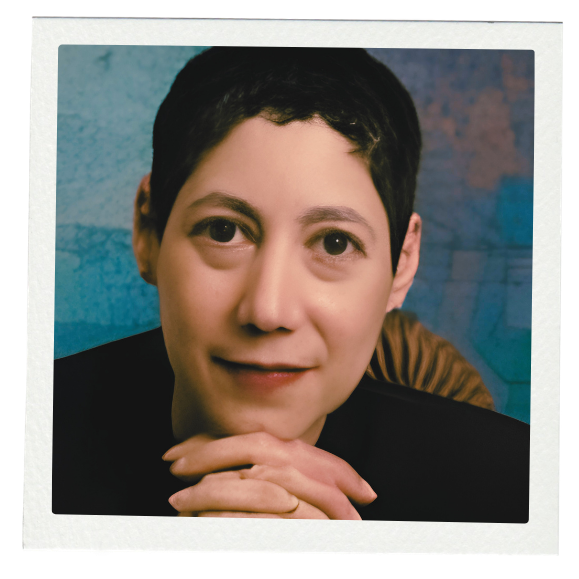
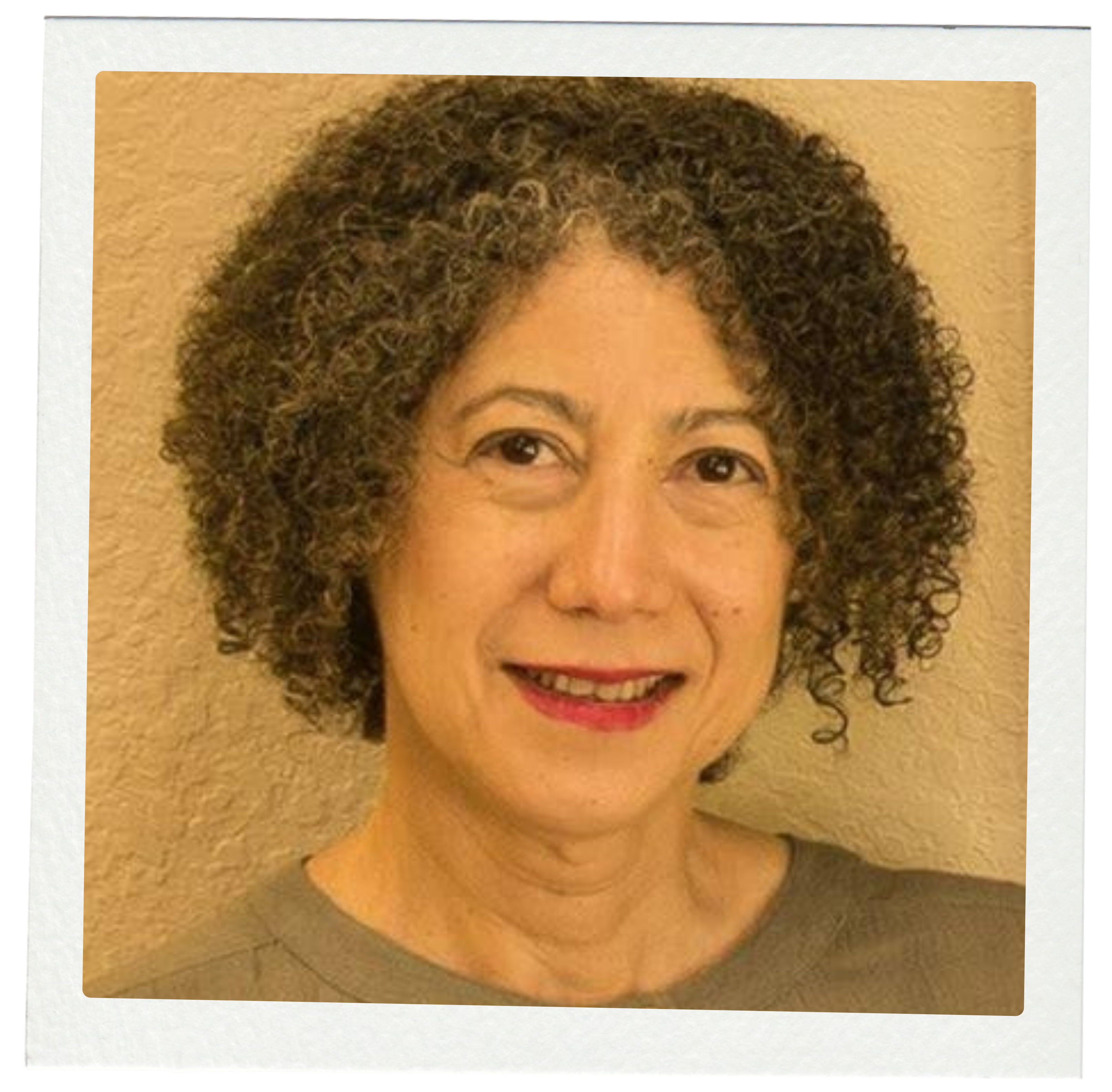
Comas-Díaz has dedicated her career to addressing these limitations, expanding Martín-Baró’s work on liberation psychology, and integrating a decolonial feminist liberation model in her professional practice as a clinical psychologist.
Credits
All images courtesy of interviewees.