
Profile

Janice Porter Gump
Birth:
1937
Death:
2022
Training Location(s):
PhD, University of Rochester (1967)
BA, University of Chicago (1956)
Primary Affiliation(s):
Howard University
Temple University
Other Media:
“First among equals” in The Core: College Magazine of the University of Chicago https://thecore.uchicago.edu/Summer2011/features/first-among-equals.shtml
Presentation for the International Psychohistorical Association’s 40th Annual Conference: https://www.youtube.com/watch?v=P8s5lEX5nvk
Career Focus:
Transgenerational trauma; racism and the effects of slavery; ethics; psychoanalysis; psychotherapy; African American subjectivity.
Biography
Janice Porter Gump was an American clinical psychologist whose work examined race, gender, shame, and the transgenerational effects of racism and slavery. Across publications spanning more than 40 years, she studied how social and historical conditions shape psychological life, first through research on Black psychologists and women’s sex role attitudes, and later through psychoanalytic work on African American subjectivity and transgenerational trauma.
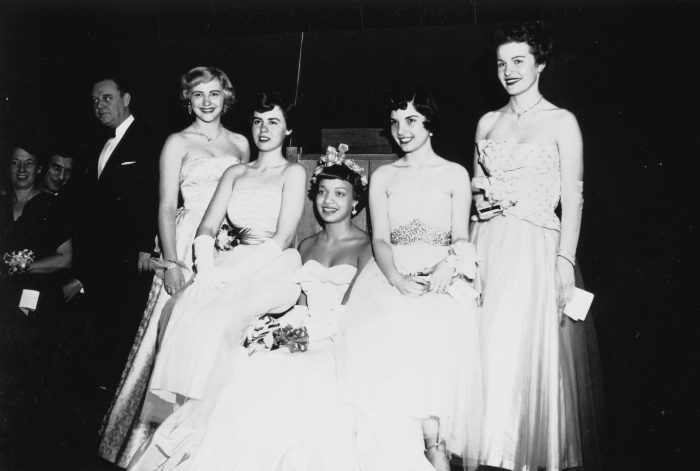
Questions of race and gender were present in Gump’s personal experiences long before she became a psychologist. As an undergraduate student at the University of Chicago, Gump (then Porter) was nominated by Kappa Alpha Psi, the African American fraternity on campus, to participate in the 1954 Washington Prom, where she was crowned Miss University of Chicago—the first Black woman to receive the title. Reflecting on the experience decades later, Gump recalled that, insofar as students had chosen her because she was Black, their votes also reflected what they wanted the university to become.
Gump graduated from the University of Chicago in 1956. While she initially considered graduate study in literature, Gump became interested in psychology as a means of better understanding herself and her family. She earned her PhD in clinical psychology from the University of Rochester in 1967, and began working for Temple University Hospital, where she co-authored “The Negro Psychologist in America” in 1969. Based on questionnaires from 398 Black psychologists reporting on their education, professional training, and experiences of discrimination, the authors argued that Black psychologists remained excluded from mainstream psychology and called on the American Psychological Association to take action against racial discrimination in the field.
During the 1970s, Gump brought related scrutiny to psychological research on women. Her work on sex role attitudes helped to address changing expectations surrounding women’s relationships to marriage, motherhood, and having a career. She soon turned more directly to the issue, questioning whether efforts to remove sex bias from psychology could adequately serve Black women when their particular labour histories and economic circumstances were ignored. For Gump, the problem was not merely that Black women had been omitted from research, but that concepts developed to explain women’s experiences could themselves become misleading when racial differences were treated as incidental.
In 1970, she married Larney Ray Gump (1936–2026), a white psychologist, and later recalled the strong reactions their relationship elicited from both Black and white people. These tensions informed her 1981 essay “Why Interracial Marriage Is Threatening” for The Washington Post, in which she considered opposition to interracial marriage alongside broader questions of racial identification, group affiliation, and the persistence of racial boundaries.
Gump began her private clinical practice in 1975 while maintaining academic appointments at Howard University and the Washington School of Psychiatry. Informed by her engagement with psychoanalytic theory and practice, her clinical writing focused particularly on shame, identification, and race within therapeutic contexts. Gump argued that psychoanalysis could not adequately account for subjectivity while treating social and political realities as secondary to intrapsychic experience. Slavery and racism, in her account, shaped the social and political conditions through which African American subjectivity had developed. Relatedly, her later work on childhood and race examined how histories of racism and slavery persisted in psychological life through memory and understanding of self and others.
In 2022, Gump died at the age of 84 in Potomac, Maryland. She will be remembered for her sustained effort to bring race, history, and social context into psychological theory and practice.
By Baldev Sidhu (2026)
To cite this article, see Credits
Selected Works
Wispé, L., Awkard, J., Hoffman, M., Ash, P., Hicks, L. H., & Porter, J. (1969). The Negro psychologist in America. American Psychologist, 24(2), 142–150. https://doi.org/10.1037/h0027107
Gump, J. P. (1972). Sex-role attitudes and psychological well-being. Journal of Social Issues, 28(2), 79–92. https://doi.org/10.1111/j.1540-4560.1972.tb00019.x
Gump, J. P. (1975a). Comparative analysis of Black women’s and White women’s sex-role attitudes.
Journal of Consulting and Clinical Psychology, 43(6), 858–863. https://doi.org/10.1037/0022-006X.43.6.858
Gump, J. P., & Rivers, L. W. (1975b). A consideration of race in efforts to end sex bias. In E. E. Diamond (Ed.), Issues of sex bias and sex fairness in career interest measurement (pp. 123–139). U.S. Department of Health, Education, and Welfare, National Institute of Education.
Gump, J. P. (1978). The Mermaid and the Minotaur. Psychology of Women Quarterly, 2(4), 379–380. https://doi.org/10.1177/036168437800200404
Gump, J. P. (1981, February 21). Why interracial marriage is threatening. The Washington Post. https://www.washingtonpost.com/archive/opinions/1981/02/22/why-interracial-marriage-is-threatening/0fabd147-d264-4354-9b18-10d9c4325f79/
Gump, J. P. (2000). A White therapist, an African-American patient—shame in the therapeutic dyad: Commentary on paper by Neil Altman. Psychoanalytic Dialogues, 10(4), 619–632. https://doi.org/10.1080/10481881009348571
Gump, J. P. (2010). Reality matters: The shadow of trauma on African American subjectivity. Psychoanalytic Psychology, 27(1), 42–54. https://doi.org/10.1037/a0018639
Gump, J. (2014). Discovery and Repair: Discussion of the Article by Lynne Jacobs. Psychoanalytic Inquiry, 34(7), 759–765.
https://doi.org/10.1080/073516...
Gump, J. (2017a). The endurance of slavery’s traumas and “truths.” In S. Grand & J. Salberg (Eds.), Trans-generational trauma and the other: Dialogues across history and difference (pp. 102–119). Routledge.
Gump, J. P. (2017b). The presence of the past: Transmission of slavery’s traumas. In A. Harris, M. Kalb, & S. Klebanoff (Eds.), Demons in the consulting room: Echoes of genocide, slavery and extreme trauma in psychoanalytic practice (pp. 159–178). Routledge.
Secondary Works
Acacia Society. (2022). Janice Gump. MyKeeper. https://www.mykeeper.com/JaniceGump
Golus, C. (2011, Summer). First among equals. The Core: College Magazine of the University of Chicago.
https://thecore.uchicago.edu/Summer2011/features/first-among-equals.shtml
Photo Gallery
Janice Porter Gump
Birth:
1937
Death:
2022
Training Location(s):
PhD, University of Rochester (1967)
BA, University of Chicago (1956)
Primary Affiliation(s):
Howard University
Temple University
Other Media:
“First among equals” in The Core: College Magazine of the University of Chicago https://thecore.uchicago.edu/Summer2011/features/first-among-equals.shtml
Presentation for the International Psychohistorical Association’s 40th Annual Conference: https://www.youtube.com/watch?v=P8s5lEX5nvk
Career Focus:
Transgenerational trauma; racism and the effects of slavery; ethics; psychoanalysis; psychotherapy; African American subjectivity.
Biography
Janice Porter Gump was an American clinical psychologist whose work examined race, gender, shame, and the transgenerational effects of racism and slavery. Across publications spanning more than 40 years, she studied how social and historical conditions shape psychological life, first through research on Black psychologists and women’s sex role attitudes, and later through psychoanalytic work on African American subjectivity and transgenerational trauma.
Questions of race and gender were present in Gump’s personal experiences long before she became a psychologist. As an undergraduate student at the University of Chicago, Gump (then Porter) was nominated by Kappa Alpha Psi, the African American fraternity on campus, to participate in the 1954 Washington Prom, where she was crowned Miss University of Chicago—the first Black woman to receive the title. Reflecting on the experience decades later, Gump recalled that, insofar as students had chosen her because she was Black, their votes also reflected what they wanted the university to become.
Gump graduated from the University of Chicago in 1956. While she initially considered graduate study in literature, Gump became interested in psychology as a means of better understanding herself and her family. She earned her PhD in clinical psychology from the University of Rochester in 1967, and began working for Temple University Hospital, where she co-authored “The Negro Psychologist in America” in 1969. Based on questionnaires from 398 Black psychologists reporting on their education, professional training, and experiences of discrimination, the authors argued that Black psychologists remained excluded from mainstream psychology and called on the American Psychological Association to take action against racial discrimination in the field.
During the 1970s, Gump brought related scrutiny to psychological research on women. Her work on sex role attitudes helped to address changing expectations surrounding women’s relationships to marriage, motherhood, and having a career. She soon turned more directly to the issue, questioning whether efforts to remove sex bias from psychology could adequately serve Black women when their particular labour histories and economic circumstances were ignored. For Gump, the problem was not merely that Black women had been omitted from research, but that concepts developed to explain women’s experiences could themselves become misleading when racial differences were treated as incidental.
In 1970, she married Larney Ray Gump (1936–2026), a white psychologist, and later recalled the strong reactions their relationship elicited from both Black and white people. These tensions informed her 1981 essay “Why Interracial Marriage Is Threatening” for The Washington Post, in which she considered opposition to interracial marriage alongside broader questions of racial identification, group affiliation, and the persistence of racial boundaries.
Gump began her private clinical practice in 1975 while maintaining academic appointments at Howard University and the Washington School of Psychiatry. Informed by her engagement with psychoanalytic theory and practice, her clinical writing focused particularly on shame, identification, and race within therapeutic contexts. Gump argued that psychoanalysis could not adequately account for subjectivity while treating social and political realities as secondary to intrapsychic experience. Slavery and racism, in her account, shaped the social and political conditions through which African American subjectivity had developed. Relatedly, her later work on childhood and race examined how histories of racism and slavery persisted in psychological life through memory and understanding of self and others.
In 2022, Gump died at the age of 84 in Potomac, Maryland. She will be remembered for her sustained effort to bring race, history, and social context into psychological theory and practice.
By Baldev Sidhu (2026)
To cite this article, see Credits
Selected Works
Wispé, L., Awkard, J., Hoffman, M., Ash, P., Hicks, L. H., & Porter, J. (1969). The Negro psychologist in America. American Psychologist, 24(2), 142–150. https://doi.org/10.1037/h0027107
Gump, J. P. (1972). Sex-role attitudes and psychological well-being. Journal of Social Issues, 28(2), 79–92. https://doi.org/10.1111/j.1540-4560.1972.tb00019.x
Gump, J. P. (1975a). Comparative analysis of Black women’s and White women’s sex-role attitudes. Journal of Consulting and Clinical Psychology, 43(6), 858–863. https://doi.org/10.1037/0022-006X.43.6.858
Gump, J. P., & Rivers, L. W. (1975b). A consideration of race in efforts to end sex bias. In E. E. Diamond (Ed.), Issues of sex bias and sex fairness in career interest measurement (pp. 123–139). U.S. Department of Health, Education, and Welfare, National Institute of Education.
Gump, J. P. (1978). The Mermaid and the Minotaur. Psychology of Women Quarterly, 2(4), 379–380. https://doi.org/10.1177/036168437800200404
Gump, J. P. (1981, February 21). Why interracial marriage is threatening. The Washington Post. https://www.washingtonpost.com/archive/opinions/1981/02/22/why-interracial-marriage-is-threatening/0fabd147-d264-4354-9b18-10d9c4325f79/
Gump, J. P. (2000). A White therapist, an African-American patient—shame in the therapeutic dyad: Commentary on paper by Neil Altman. Psychoanalytic Dialogues, 10(4), 619–632. https://doi.org/10.1080/10481881009348571
Gump, J. P. (2010). Reality matters: The shadow of trauma on African American subjectivity. Psychoanalytic Psychology, 27(1), 42–54. https://doi.org/10.1037/a0018639
Gump, J. (2014). Discovery and Repair: Discussion of the Article by Lynne Jacobs. Psychoanalytic Inquiry, 34(7), 759–765.
https://doi.org/10.1080/073516...
Gump, J. (2017a). The endurance of slavery’s traumas and “truths.” In S. Grand & J. Salberg (Eds.), Trans-generational trauma and the other: Dialogues across history and difference (pp. 102–119). Routledge.
Gump, J. P. (2017b). The presence of the past: Transmission of slavery’s traumas. In A. Harris, M. Kalb, & S. Klebanoff (Eds.), Demons in the consulting room: Echoes of genocide, slavery and extreme trauma in psychoanalytic practice (pp. 159–178). Routledge.
Secondary Works
Acacia Society. (2022). Janice Gump. MyKeeper. https://www.mykeeper.com/JaniceGump
Golus, C. (2011, Summer). First among equals. The Core: College Magazine of the University of Chicago.
https://thecore.uchicago.edu/Summer2011/features/first-among-equals.shtml