
Profile
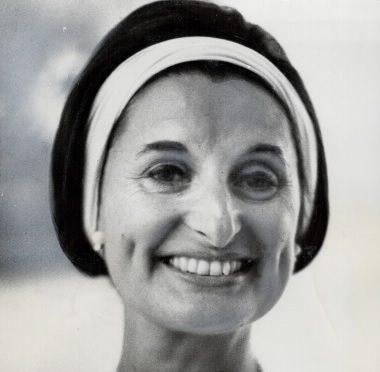
Reva Gerstein
Birth:
1917
Death:
2020
Training Location(s):
PhD, University of Toronto (1945)
MA, University of Toronto (1939)
BA, University of Toronto (1938)
Primary Affiliation(s):
Director of Program Planning at Candian Mental Health Association (1945)
Teaching Fellow, York University (1959-1962)
Founder, Gerstein Crisis Centre (1989)
Child Psychologist at the East York-Leaside Board of Health
Chancellor, University of Western Ontario (1992-1996)
Other Media:
Gerstein Crisis Centre biography
Archival Sources
Sound Recording in the Paul Axelrod Collection, York University Archives and Special Collections
The Final Report of the Mayor’s Action Task Force on Discharged Psychiatric Patients
Career Focus:
Children’s mental health; deinstitutionalization and support of psychiatric patients; crisis support.
Biography
Dr. Reva Gerstein was born in Toronto and earned her B.A. (1938), M.A. (1939), and eventually her Ph.D in 1945 from the University of Toronto. Over the course of her illustrious career she received numerous Honourary Doctorates from various other academic institutions including Western and Lakehead Universities in Ontario. Considering her achievements as a Jewish woman at a time when many institutions and professions were heavily male dominated, Reva Gerstein’s life and work are truly extraordinary.
Gerstein’s accomplishments include a number of “firsts”: she was the first woman to serve and later chair the Ontario government’s Committee on University Affairs (CUA; 1972-1975), as well as being the first female Chancellor at the University of Western Ontario. She was the recipient of numerous accolades including the Companion of the Order of Canada in 1997 (after being awarded both the Member (1974) and Officer (1979) designations). In 1961, Gerstein was honored as Woman of the Year — B’nai Birth, and she held the position of the first female director at the Canadian book publisher McGraw-Hill Ryerson Publishing. She served in the role of director for a number of other companies, including the Maritime Life Insurance Company and Avon.
Gerstein was a prolific contributor to the field of psychology. One of her strongest passions was improving mental health care for children, adolescents, and adults. In 1946, the Ontario school system designated her as their first child psychologist and, in 1968, she initiated and chaired a funding campaign to establish the Hincks Treatment Centre for Adolescents, which provided psychological and psychiatric services and would later be amalgamated with SickKids Centre for Community Mental Health. As a member of the Commission on Post-Secondary Education in Ontario, Gerstein played a foundational role in providing access to university education to mature students.
Gerstein taught at several universities in Toronto, including during World War II. At this time specifically, Gerstein taught several psychology courses at the University of Toronto, and would later teach at the newly-founded York University. During World Water II, Gerstein worked alongside Sir Frederick Banting in a study for the RCMP looking at how mental abilities were impacted by oxygen deprivation. She left her teaching position at the University of Toronto at the end of the war when the male department members from the University of Toronto returned home and to their positions. This was at the same time (1945) that she completed her PhD. In 1945, Gerstein founded the Canadian Mental Health Association alongside Clarence Hicks, eventually stepping into the role of the first Director of Program Planning. This shifted her trajectory into the field of mental health. She began to run Mental Health Programs weekly on CBC radio, and also created the Canadian “Mental Health Week”, that is now held every May to raise awareness about mental health issues.
Her work greatly influenced the shift in Canada during the 1980s toward community-based living outside of psychiatric hospitals, and set the foundation for future work rooted in a non-medical model approach. Published in 1984, “The Mayor’s Action Task Force on Discharged Mental Patients” was authored by Gerstein and resulted in the establishment of various community mental health services in Toronto. This work on psychiatric deinstitutionalization provided insight into how to discharge and maintain aftercare with the dignity of clients in mind, and emphasized the need for fair access to housing, social services, and options for employment. She highlighted the necessity for public education and emphasized the importance of community support. Her contributions to the field of mental health earned her the National C.M. Hinck’s award in 1987.
In 1989, she established The Gerstein Crisis Centre after publishing her report for the City of Toronto. The Centre offered 24/7 counselling and emergency beds; these services continue to be offered today. Various community parnerships were cultivated as a result, with the Salvation Army, the Anduhyan Women’s shelter, and the Griffin Centre, among others. These partnerships resulted in the creation of several crisis support resources for the City of Toronto, and eventually, in 2007, a second location of the Gerstein Centre was established.
Among her many accomplishments, Gerstein also wrote numerous studies and contributed several pieces to Chatelaine magazine including “What to do when panic strikes” and “Learn to live with yourself: How to see yourself objectively.” Reflecting the diversity of her contributions, Gerstein held many titles over the years, including psychologist, educator, and research coordinator. Her work has been recognized both in Canada and internationally.
Reva Gerstein contributed widely not only to the field of psychology and mental health, but to the communities she was involved in. A fund established in her name in 2007 - The Reva Gerstein Legacy Fund - honours her passionate commitment to psychiatric survivors. Psychiatric survivors can apply for a grant from this fund to be used for projects that mirror Gerstein’s interests in education and research. The Gerstein Centre continues to expand and partner with various community organizations. The Centre marked its 30-year anniversary in 2019.
Reva Gerstein passed away on January 6, 2020 after a long life committed to improving her community and the experiences of those living with mental health issues. Although she resisted the title “women’s libber,” she did not let gender barriers stand in the way of attaining her goals.
By Desirée Salis (2020)
To cite this article, see Credits
Selected Works
By Reva Gerstein
Gerstein, R. (1947). Probing Canadian prejudices: A preliminary objective survey. The Journal of Psychology, 23(2), 151-159.
Gerstein, R. (1949). A suggested method for analyzing and extending the use of Bellevue- Wechsler vocabulary responses. Journal of Consulting Psychology, 13(5), 366-370.
Gerstein, R. (1990). The final report of the mayor’s action task force on discharged psychiatric patients. Retrieved from https://historyinpractice.ca/1983_reprint_1990_final_report_of_the_mayors_action_task_force/
About
Sheinin, D. M. K. (2020, July 29). Race relations, psychological testing, and resistance to change: The Toronto police, 1970s-1980s. Active History Blog Series. Retrieved from http://activehistory.ca/2020/07/race-relations-psychological-testing-and-institutional-culture-in-the-1970s-toronto-police/
Wright, M. J. (1992). Women ground-breakers in Canadian psychology: World war II and its aftermath. Canadian Psychology/Psychologie canadienne, 33(4), 675-682.
Photo Gallery
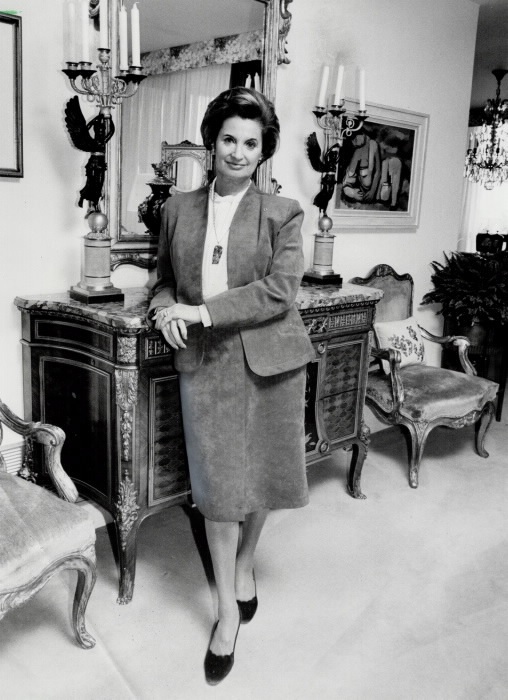
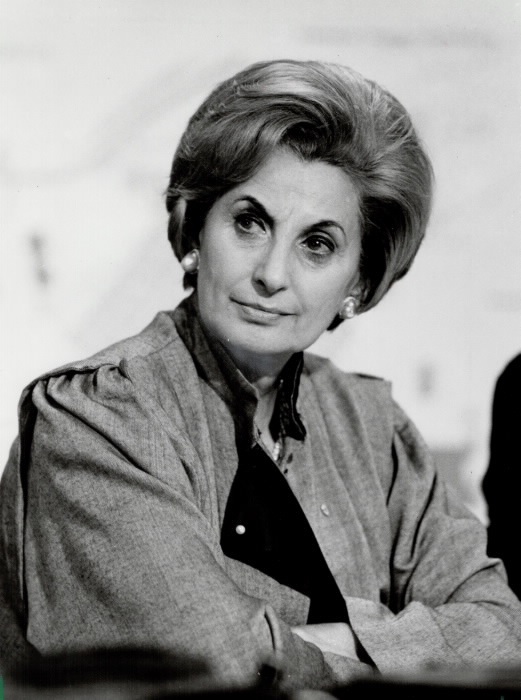
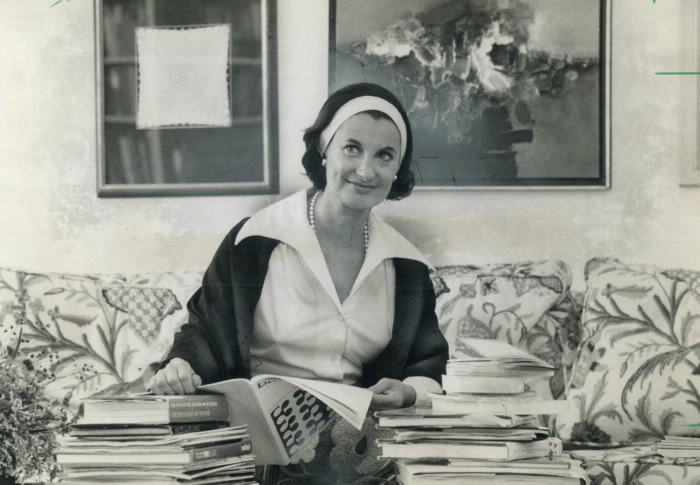
Reva Gerstein
Birth:
1917
Death:
2020
Training Location(s):
PhD, University of Toronto (1945)
MA, University of Toronto (1939)
BA, University of Toronto (1938)
Primary Affiliation(s):
Director of Program Planning at Candian Mental Health Association (1945)
Teaching Fellow, York University (1959-1962)
Founder, Gerstein Crisis Centre (1989)
Child Psychologist at the East York-Leaside Board of Health
Chancellor, University of Western Ontario (1992-1996)
Other Media:
Gerstein Crisis Centre biography
Archival Sources
Sound Recording in the Paul Axelrod Collection, York University Archives and Special Collections
The Final Report of the Mayor’s Action Task Force on Discharged Psychiatric Patients
Career Focus:
Children’s mental health; deinstitutionalization and support of psychiatric patients; crisis support.
Biography
Dr. Reva Gerstein was born in Toronto and earned her B.A. (1938), M.A. (1939), and eventually her Ph.D in 1945 from the University of Toronto. Over the course of her illustrious career she received numerous Honourary Doctorates from various other academic institutions including Western and Lakehead Universities in Ontario. Considering her achievements as a Jewish woman at a time when many institutions and professions were heavily male dominated, Reva Gerstein’s life and work are truly extraordinary.
Gerstein’s accomplishments include a number of “firsts”: she was the first woman to serve and later chair the Ontario government’s Committee on University Affairs (CUA; 1972-1975), as well as being the first female Chancellor at the University of Western Ontario. She was the recipient of numerous accolades including the Companion of the Order of Canada in 1997 (after being awarded both the Member (1974) and Officer (1979) designations). In 1961, Gerstein was honored as Woman of the Year — B’nai Birth, and she held the position of the first female director at the Canadian book publisher McGraw-Hill Ryerson Publishing. She served in the role of director for a number of other companies, including the Maritime Life Insurance Company and Avon.
Gerstein was a prolific contributor to the field of psychology. One of her strongest passions was improving mental health care for children, adolescents, and adults. In 1946, the Ontario school system designated her as their first child psychologist and, in 1968, she initiated and chaired a funding campaign to establish the Hincks Treatment Centre for Adolescents, which provided psychological and psychiatric services and would later be amalgamated with SickKids Centre for Community Mental Health. As a member of the Commission on Post-Secondary Education in Ontario, Gerstein played a foundational role in providing access to university education to mature students.
Gerstein taught at several universities in Toronto, including during World War II. At this time specifically, Gerstein taught several psychology courses at the University of Toronto, and would later teach at the newly-founded York University. During World Water II, Gerstein worked alongside Sir Frederick Banting in a study for the RCMP looking at how mental abilities were impacted by oxygen deprivation. She left her teaching position at the University of Toronto at the end of the war when the male department members from the University of Toronto returned home and to their positions. This was at the same time (1945) that she completed her PhD. In 1945, Gerstein founded the Canadian Mental Health Association alongside Clarence Hicks, eventually stepping into the role of the first Director of Program Planning. This shifted her trajectory into the field of mental health. She began to run Mental Health Programs weekly on CBC radio, and also created the Canadian “Mental Health Week”, that is now held every May to raise awareness about mental health issues.
Her work greatly influenced the shift in Canada during the 1980s toward community-based living outside of psychiatric hospitals, and set the foundation for future work rooted in a non-medical model approach. Published in 1984, “The Mayor’s Action Task Force on Discharged Mental Patients” was authored by Gerstein and resulted in the establishment of various community mental health services in Toronto. This work on psychiatric deinstitutionalization provided insight into how to discharge and maintain aftercare with the dignity of clients in mind, and emphasized the need for fair access to housing, social services, and options for employment. She highlighted the necessity for public education and emphasized the importance of community support. Her contributions to the field of mental health earned her the National C.M. Hinck’s award in 1987.
In 1989, she established The Gerstein Crisis Centre after publishing her report for the City of Toronto. The Centre offered 24/7 counselling and emergency beds; these services continue to be offered today. Various community parnerships were cultivated as a result, with the Salvation Army, the Anduhyan Women’s shelter, and the Griffin Centre, among others. These partnerships resulted in the creation of several crisis support resources for the City of Toronto, and eventually, in 2007, a second location of the Gerstein Centre was established.
Among her many accomplishments, Gerstein also wrote numerous studies and contributed several pieces to Chatelaine magazine including “What to do when panic strikes” and “Learn to live with yourself: How to see yourself objectively.” Reflecting the diversity of her contributions, Gerstein held many titles over the years, including psychologist, educator, and research coordinator. Her work has been recognized both in Canada and internationally.
Reva Gerstein contributed widely not only to the field of psychology and mental health, but to the communities she was involved in. A fund established in her name in 2007 - The Reva Gerstein Legacy Fund - honours her passionate commitment to psychiatric survivors. Psychiatric survivors can apply for a grant from this fund to be used for projects that mirror Gerstein’s interests in education and research. The Gerstein Centre continues to expand and partner with various community organizations. The Centre marked its 30-year anniversary in 2019.
Reva Gerstein passed away on January 6, 2020 after a long life committed to improving her community and the experiences of those living with mental health issues. Although she resisted the title “women’s libber,” she did not let gender barriers stand in the way of attaining her goals.
By Desirée Salis (2020)
To cite this article, see Credits
Selected Works
By Reva Gerstein
Gerstein, R. (1947). Probing Canadian prejudices: A preliminary objective survey. The Journal of Psychology, 23(2), 151-159.
Gerstein, R. (1949). A suggested method for analyzing and extending the use of Bellevue- Wechsler vocabulary responses. Journal of Consulting Psychology, 13(5), 366-370.
Gerstein, R. (1990). The final report of the mayor’s action task force on discharged psychiatric patients. Retrieved from https://historyinpractice.ca/1983_reprint_1990_final_report_of_the_mayors_action_task_force/
About
Sheinin, D. M. K. (2020, July 29). Race relations, psychological testing, and resistance to change: The Toronto police, 1970s-1980s. Active History Blog Series. Retrieved from http://activehistory.ca/2020/07/race-relations-psychological-testing-and-institutional-culture-in-the-1970s-toronto-police/
Wright, M. J. (1992). Women ground-breakers in Canadian psychology: World war II and its aftermath. Canadian Psychology/Psychologie canadienne, 33(4), 675-682.